
Education
Plain-English explainers on how robots and AI work: what the technology really does, how it is regulated in the UK, and how to make sense of it at home.
What actually is a robot? A plain-English guide for UK classrooms (KS2–KS3)
A free classroom guide for ages 8 to 14: the sense, decide, act test, where the word 'robot' comes from, a 'robot or not?' sorting activity and National Curriculum links.
How robot vacuums navigate: a real-world case study for Design and Technology and Computing
A KS3 case study for D&T and Computing: the first Roomba, inputs and outputs, an unplugged algorithm activity, a classroom design brief and discussion questions.
The history of robotics: an interactive timeline from ancient automata to humanoids
From a steam-driven pigeon to robotaxis in London, the machines and ideas that built modern robotics, with the British milestones along the way.
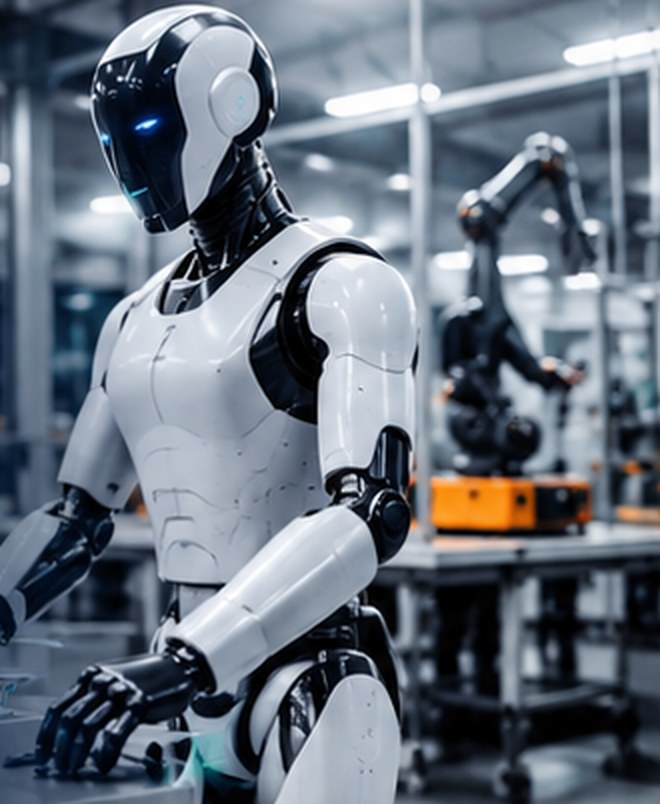
Humanoid robots in 2026: what they are, what they can do and what they still can't
The videos are real, but they rarely show an ordinary working day. We separate genuine capability from demo magic, from Digit's warehouse shifts to Optimus's learning problem.

How robot vacuums find their way around, and why some are smarter than others
Random bounce, gyroscopes, cameras and LiDAR explained, plus which navigation suits a UK home and what Matter support means for your robot vacuum.
Smart home in the UK: a beginner's guide to Matter, hubs and automation
What Matter and Thread really are, Alexa vs Google Home vs Apple Home, UK heating and energy tariffs, the new security law, and a sensible starter setup.
Self-driving cars in the UK: when can you ride in one? The Automated Vehicles Act explained
Londoners can already hail a Wayve car through Uber, but with a safety driver at the wheel. What the law says, who is liable, and when fully driverless rides might arrive.